Latest Blogs
View all


When I sit down with a group CFO or CEO for the first time, I'm listening for patterns. Not as a consultant running an assessment, but as a founder trying to understand where the architecture broke. Across every conversation — PE portfolios, family offices, industrial groups, real estate funds — the same five signals appear.
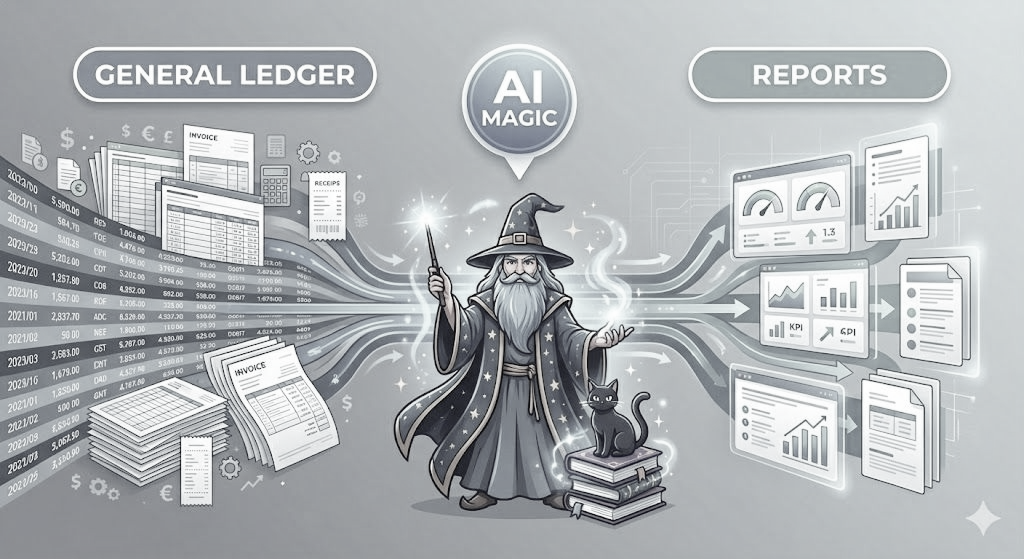
Not because the finance team is slow. Because collecting, mapping, and reconciling data from multiple ERPs is genuinely that labour-intensive. Multiple controllers doing the same work in parallel, every month, with no end in sight.
Whether it's an acquisition, a new subsidiary, or an SPV, adding it to consolidated reporting means weeks — sometimes months — of alignment work. The group never catches up before the next entity arrives.
The board sees a consolidated P&L. When someone asks "what's driving that cost increase in entity seven?" the answer requires going back to the source system and digging manually. The data exists. The infrastructure to interrogate it doesn't.
Transactions between group entities are identified, matched, and eliminated in spreadsheets. Every month. The people doing it know it's error-prone. They do it anyway because there's no alternative.
This is the most visible symptom, but there's a layer beneath it that's even more costly. Even after the numbers are assembled, they typically aren't consolidated at the depth needed for real cross-entity analysis. The board gets a number. When someone asks why, the answer requires another manual digging exercise — if it can be answered at all.
If you recognised any of these, the issue isn't your people or your process. It's the underlying architecture — one that was built for a smaller, simpler group and never rebuilt as the group grew.
The next question is what this actually costs. Not in controller hours, but in decisions that don't get made.